The fish hatchery
44 Trout and a Second Chance for the Little Tupper Strain
Series date: · 3 min read
Prepared and first published . About these dates
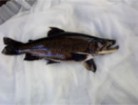
Forty-four brook trout appear in an unusually compact rescue account in New York's fisheries records. After losses to the Little Tupper strain broodstock at the Warren County Fish Hatchery, fish from a remote pond were transferred to the hatchery with help from state police aviation.
The primary account is a section of the DEC Bureau of Fisheries annual report for 2003/2004. It identifies a fungal infection as one contributor to the losses and says the transferred fish were intended for future egg production. The number is precise; the eventual result is not supplied by that passage. [2]
What the DEC passage establishes
DEC places the episode within the hatchery's contribution to management of heritage trout. Its immediate concern was reproductive stock. Pathologist Dr. Andy Noyes also visited to help address the disease problem.
- Document
- DEC Bureau of Fisheries Annual Report 2003/2004, published December 2004
- Location in the document
- Printed page 13; PDF page 18
- Fish transferred
- 44 Little Tupper Lake strain brook trout
- Stated purpose
- Future egg production to reinforce the hatchery's broodstock supply
The source names neither the pond nor the aircraft type. It does not give a day for the operation. Photographs of a helicopter or a particular pond would therefore add details that the passage does not authenticate. The image accompanying this article is an archived photograph of Little Tupper strain broodstock, not a record of the transfer.
Why broodstock differs from a stocking shipment
An explanation in the archived hatchery tour makes the distinction visible. Its broodstock station describes adult Little Tupper strain fish kept as a source of eggs. Those eggs would be raised, and the resulting fish could be stocked in support of native trout populations. Keeping reliable reproductive stock was a different task from simply receiving a load of fish for release. [4] The fish in DEC's transfer were intended to contribute to that earlier stage. Their importance in the report is their reproductive role. The figure 44 should not be read as the total number of young fish produced, the number subsequently stocked or the size of the strain's wild population.
The archived hatchery-building tour follows the next part of the process: eggs are incubated, the fish hatch and the young fish move through growing facilities. It also describes eggs being supplied by other hatcheries as well as the facility's own broodstock. These are multiple possible sources of eggs, not proof that every fish raised at the county hatchery descended from this particular transfer. [5]
The record stops before the outcome
This sequence is the extent of the operation documented in that short annual-report passage. It records an action and a purpose. It does not report the transferred fish's later survival, the number of eggs they produced or the performance of their offspring in stocked waters.
Those missing outcomes change the headline the evidence can support. A transfer to reinforce broodstock is documented. A claim that these fish single-handedly saved the strain from extinction would require evidence the passage does not contain.
Where the local archive fits
The restored site preserves a Little Tupper strain photograph and the tour's broodstock description. They explain the setting and the fish's role. DEC's annual report supplies the separate transfer episode. Each source answers a different question.
The transfer happened during a reporting period long after the county acquired the former state hatchery in 1982. The ownership and building chronology provides that wider institutional background without making it the cause of the later disease problem.
To follow the event further, the useful records would be later broodstock or egg-production reports, tied to the Little Tupper strain. The existing annual report gives a clear starting reference: PDF page 18, under Broodstock for Little Tupper Lake.
Sources and archived records
- Little Tupper Strain BreederHistorical broodstock photograph; shooting date not established. Checked October 23, 2026.
- NYSDEC Bureau of Fisheries Annual Report 2003/2004December 2004; printed page 13, PDF page 18. Checked October 23, 2026.
- Fish HatcheryCounty facility account; publication date not stated. Checked October 23, 2026.
- Archived water system and broodstock tourHistorical hatchery operation. Checked October 23, 2026.
- Archived hatchery-building tourHistorical hatchery operation. Checked October 23, 2026.